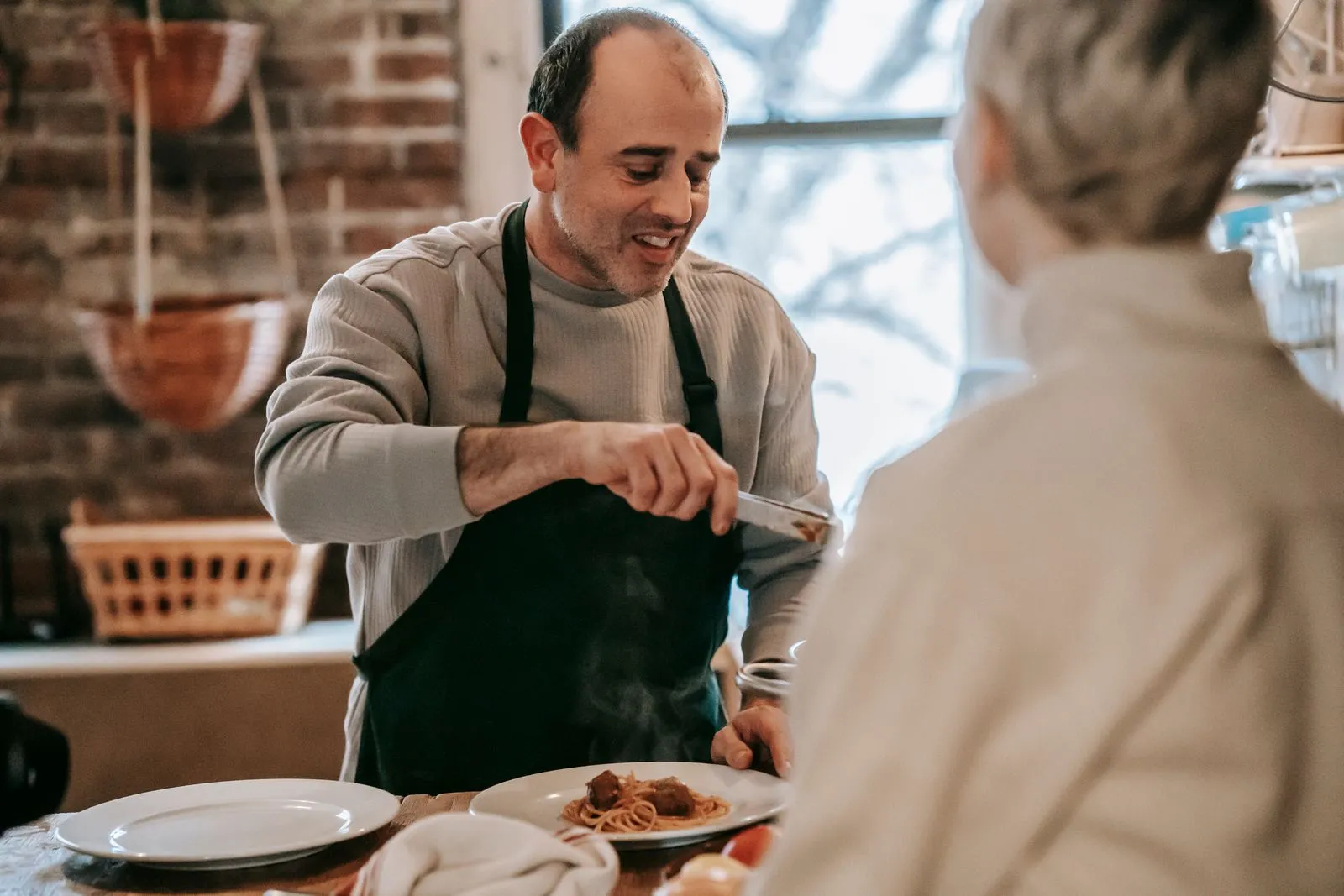
A date-night cooking class can be hands-on, social, or focused on a particular cuisine. The right fit depends on how you and your partner like to spend time together, what you want to learn, and how much structure you prefer. Before booking, compare the class format, menu, skill expectations, and practical details. A few clear questions can help you avoid surprises and choose an experience that feels enjoyable for both of you.
Compare class formats
In a fully hands-on class, you and your partner prepare dishes under an instructor’s guidance. This suits couples who want to practice techniques and share the work. A demonstration class involves more watching and tasting, with less cooking. Some classes combine both: the instructor demonstrates key steps, then guests cook selected parts of the menu.
Ask how much of the session each guest will spend cooking. Find out whether couples share a station or work separately, how large the group is, and whether the instructor can answer questions as you cook. If conversation and a relaxed pace matter most, check whether the class includes a sit-down meal and how much time is set aside to eat.
Review the menu
Choose a menu that appeals to both of you, not just one person. Look for dishes you would enjoy making together, and check whether the class covers skills you want to learn, such as preparing fresh pasta, seasoning sauces, or cooking vegetables evenly. A familiar menu can feel comfortable; an unfamiliar cuisine may make the evening more exploratory.
Read the menu details rather than relying on a broad theme. Ask whether the listed dishes are the complete meal or examples, and whether the menu changes seasonally. Tell the school about allergies, dietary restrictions, or ingredient preferences before reserving. Confirm that it can accommodate them; do not assume that a substitution is available on the day.
Match your skill levels
Look for a clear description of the expected experience level. Beginner classes should explain techniques without assuming that guests already know kitchen basics. Intermediate sessions may move faster or expect familiarity with tools and methods. If you and your partner have different experience levels, ask whether the instructor offers guidance that keeps both participants involved.
A class labeled beginner-friendly may still include several tasks, unfamiliar equipment, or a brisk schedule. Ask what you will make from scratch and which steps the instructor handles. Also check whether you need to bring anything or wear specific clothing. Comfortable shoes and clothes that can handle a little splatter are sensible choices unless the school gives different instructions.
Ask before you book
Confirm the class length, start time, location, and what the fee includes. Ask whether ingredients, tools, drinks, and the meal are included, and whether you take home leftovers or recipes. Check the group size and whether the event is private or shared with other guests. These details help you compare experiences on more than the menu alone.
Review the cancellation, rescheduling, and late-arrival policies before paying. If you are booking for a special occasion, ask about accessibility, parking or transit, and whether the school can note a celebration. Salt & Savor offers date-night cooking classes in Salt Lake City; contact the school directly to confirm current class details and accommodations.
The best class balances a format you both enjoy, a menu that suits your tastes, and instruction matched to your experience. Confirm inclusions and policies before reserving, especially when you have dietary or accessibility needs. Once the details line up, choose a date and book a class that gives you room to cook, learn, and enjoy the meal together.